

Chevy Equinox vs Blazer: Size, Power, Towing and Price
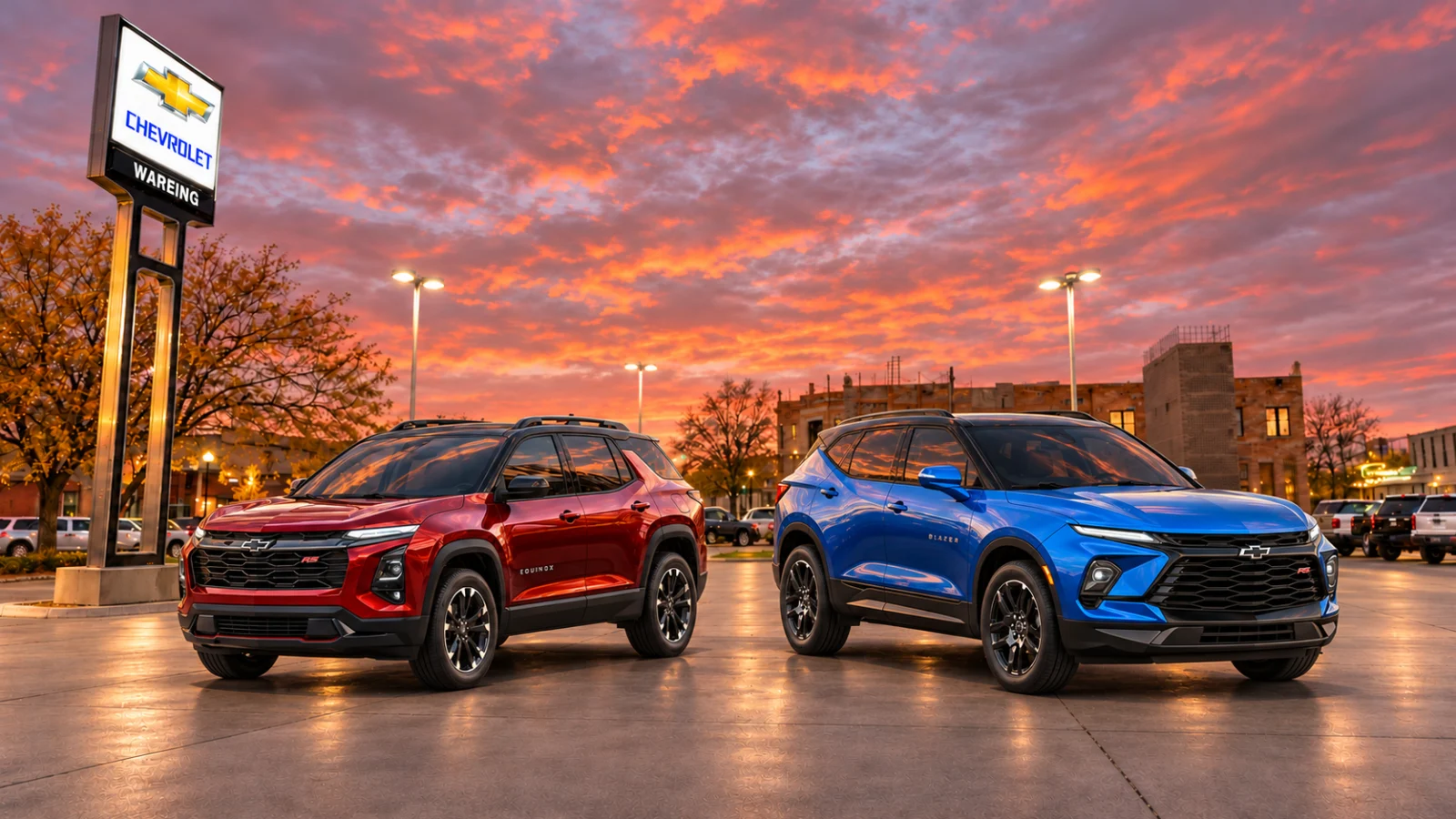
If you are comparing the Chevy Blazer vs Equinox, start with how you will use the SUV. The Equinox is the shorter, lower-starting-price choice. The Blazer gives you stronger engine options and a higher maximum trailer rating when properly equipped. Neither has a third row.
This guide compares the 2027 gas Equinox and 2026 gas Blazer, the model years shown on Chevrolet’s U.S. pages when checked in November 2026. Equinox EV and Blazer EV are separate vehicles. Their specifications do not belong in this comparison.
The short answer: Start with Equinox for a two-row SUV focused on everyday needs. Put Blazer on your list if engine choice or towing is a deciding factor. If cargo space is your main concern, try your actual gear in both before assuming the longer vehicle will carry much more.
Equinox vs Blazer at a glance
| Specification | 2027 Chevrolet Equinox | 2026 Chevrolet Blazer |
|---|---|---|
| Seating | Five, in two rows | Five, in two rows |
| Overall length | 183.2 inches | 191.8 inches |
| Maximum cargo volume | 63.5 cubic feet | 64.2 cubic feet |
| Engine choices | 1.5L turbo four-cylinder | 2.0L turbo four-cylinder or available 3.6L V6 |
| Maximum available towing | Up to 1,500 pounds, properly equipped | Up to 4,500 pounds with the required V6 and trailering equipment |
| Chevrolet advertised starting price | $29,700 | $34,300 |
| Gas-model trims | LT, RS, ACTIV | 2LT, 3LT, RS |
Figures come from Chevrolet’s Equinox page, Blazer page and vehicle lineup, checked 12 Nov 2026. Maximum cargo figures require the rear seats folded. Chevrolet’s advertised starting prices are still $29,700 for the 2027 Equinox and $34,300 for the 2026 Blazer. Chevrolet’s MSRP wording is: “The Manufacturer’s Suggested Retail Price excludes destination freight charge, tax, title, license, dealer fees and optional equipment.” Chevrolet’s Destination Freight Charges page lists a $1,995 destination freight charge for both the 2027 Equinox and the 2026 Blazer. These are starting MSRP figures, not dealer quotes or out-the-door totals. Confirm current pricing, applicable charges and the exact vehicle’s equipment before purchasing.
Size and cargo: longer does not mean much more maximum space
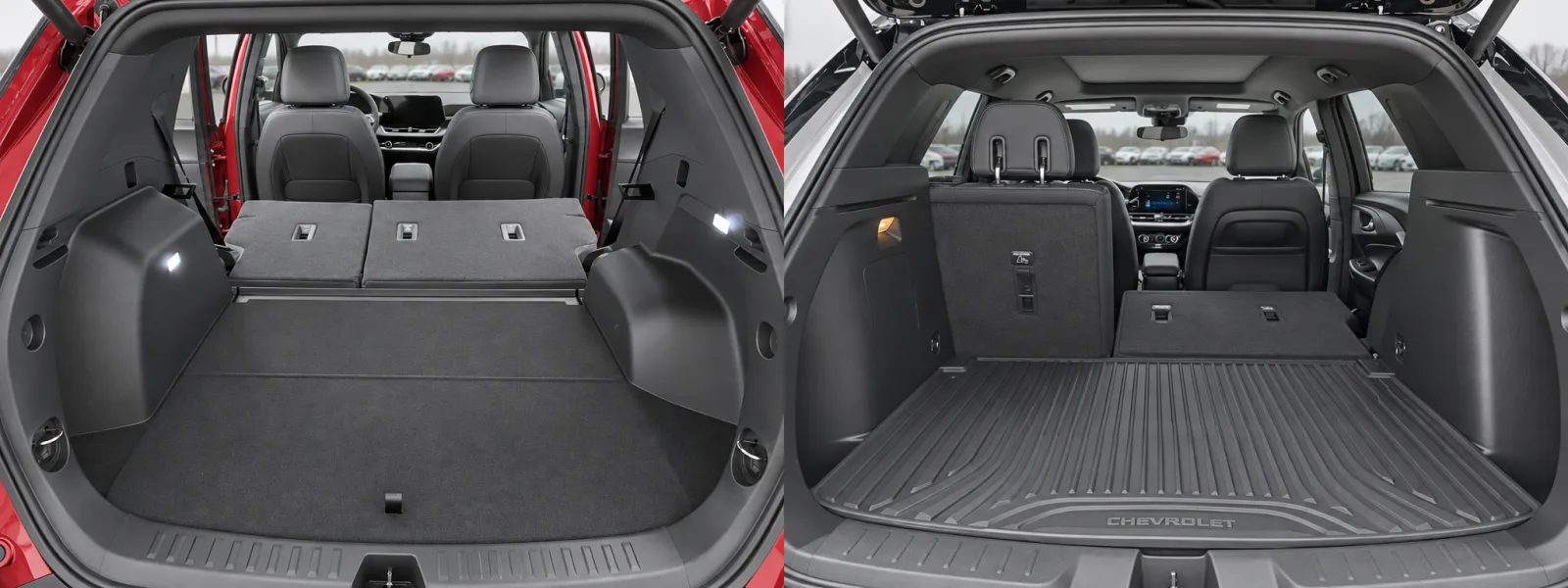
Blazer takes up more length, but the published maximum cargo volumes are close. That makes this a comparison worth doing in person rather than deciding from the compact or midsize label.
Start with your parking space. Measure the usable length of your garage, including shelves or storage at the front. Think about where you stand when unloading and whether the hatch can open without an obstacle. Then check those details with the vehicle you are considering.
Next, load the things that make your normal week complicated. A stroller, dog crate, cooler or folded mobility aid will tell you more than an empty cargo area. Check the shape of the opening, the height you lift over and whether the item fits without moving a front seat.
Finally, repeat the test with the rear seats upright. Maximum cargo volume is not the same as luggage room when all five seating positions are in use. If you regularly travel with passengers and equipment, that is the arrangement to judge.
Do you actually need another row of seats? Move that question ahead of engine power or trim badges. Our Equinox vs Traverse comparison covers the next step in the lineup.
Engines, performance and fuel economy
Equinox uses a 175-horsepower turbo engine. Blazer starts with 228 horsepower, with a 308-horsepower V6 available on RS. That makes the Blazer worth testing if more engine output is high on your list. The RS badge alone does not mean a Blazer has the V6. Confirm the engine on its window sticker. These ratings and engine availability are listed on Chevrolet’s model pages linked above.
Horsepower should help you build a shortlist, not make the whole decision. On a test drive, pay attention to how easily you can make a smooth start, how the accelerator responds and whether the vehicle feels comfortable at your usual pace. Use a legal, representative route rather than trying to recreate every possible road condition.
For fuel economy, compare the EPA labels on the two actual vehicles you are considering. Keep the engine and front-wheel-drive or all-wheel-drive configuration matched to the quoted rating. A headline figure for one configuration should not be applied to every SUV with the same name.
You can also make a simple ownership-cost worksheet. Use your expected annual mileage, the relevant EPA combined rating and a fuel-price assumption you can change. Label that result as an estimate. Do not treat it as a promise about what you will spend in a Sheridan winter or while towing.
Towing: check the equipment before choosing a trailer
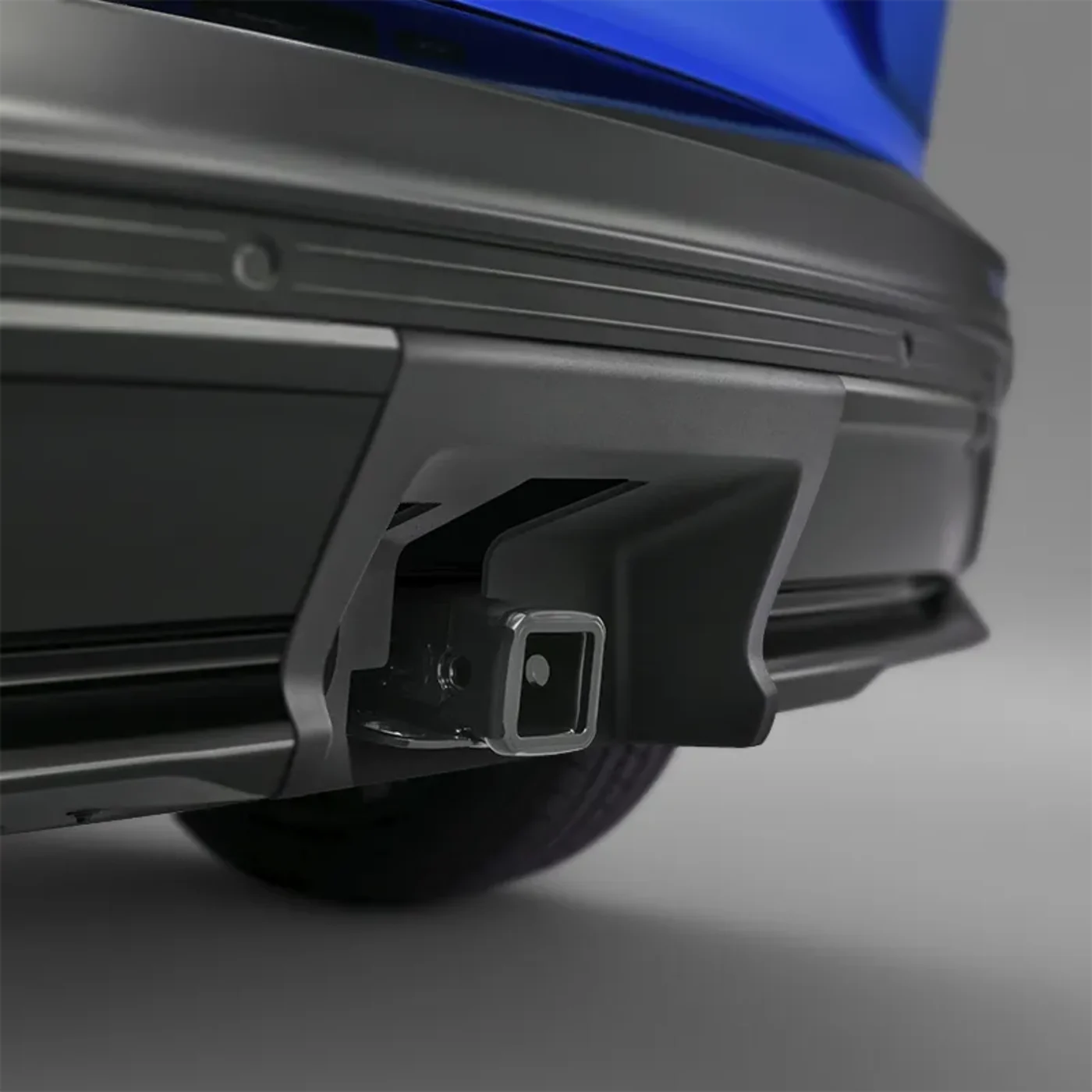
The maximum ratings in the table are ceilings for properly equipped configurations, not permission to tow that weight with any Equinox or Blazer.
Chevrolet’s 2026 Trailering Guide explains that passengers, cargo and accessories can reduce available trailering capacity. Review the exact vehicle’s owner’s manual and ratings before you buy or tow. The 2026 guide supports the Blazer comparison, not a substitute specification for a 2027 Equinox.
Bring information about the trailer you plan to use. Its empty weight is only a starting point. Account for the equipment and supplies you will carry, and have the loaded trailer weight and tongue weight checked against the vehicle and hitch limits.
Ask for a configuration-specific review:
- Which engine and drivetrain does this SUV have?
- Which factory trailering equipment is installed?
- What trailer and tongue-weight limits apply?
- How will passengers and luggage affect the usable capacity?
- What wiring, braking and hitch equipment does this setup require?
Do not pick a camper or boat from its general category alone. Two trailers serving the same purpose can have different loaded weights. If towing is a regular part of your plans, settle the equipment and weight questions before choosing a color or appearance package.
AWD and Sheridan winters: look beyond the badge
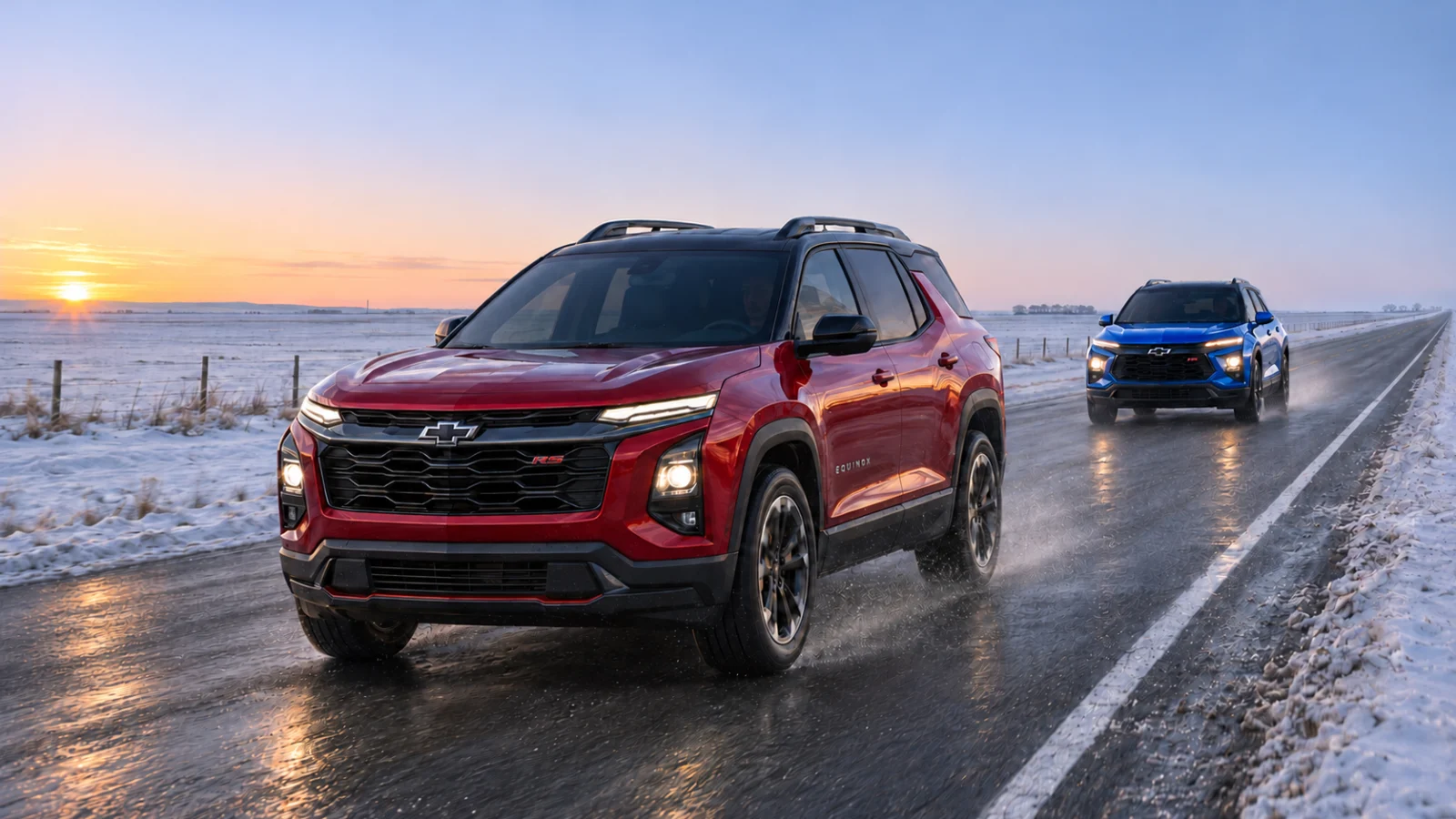
Both models offer AWD, according to Chevrolet. It is worth discussing if winter travel is part of your routine, but it should be one part of your preparation rather than the whole plan.
Look at the tires installed on the specific vehicle. Ask whether they suit your expected conditions and whether a dedicated winter set makes sense for your driving. Do not assume that a rugged-looking trim or tire name answers that question.
NHTSA’s winter-driving guidance recommends considering snow tires, checking tire condition and inflation, slowing down on slick surfaces and leaving more room to stop. Use the vehicle’s recommended pressure, not the maximum pressure printed on a tire sidewall.
For your comparison drive, also check practical winter details. Can you reach the defroster controls easily? Are you comfortable with visibility from the driver’s seat? Can you find the vehicle’s drive-mode instructions and understand when to use them? These are useful questions to ask while someone can walk you through the controls.
Trims: choose the features you will use
The trim names in the table are a starting point, not a guarantee that two similarly named SUVs have matching equipment. In particular, an Equinox RS and a Blazer RS should be compared as separate vehicles.
Make three short lists before shopping:
- Features you need every week.
- Features you would enjoy if they fit your budget.
- Appearance choices you like but could do without.
Then ask for two window stickers and mark the differences. Include drivetrain, seating equipment, cameras, wheels and any packages you care about. This keeps the conversation about the vehicle you will actually buy rather than a photograph of a differently equipped version.
If you are considering an upgrade, ask what it changes for your daily use. Would you rather have the desired feature on Equinox or move to a Blazer without it? There is no universal answer. A clear must-have list helps you avoid paying for a change that does not solve your original need.
Technology and safety: compare usability as well as features
Chevrolet lists an 11.3-inch touchscreen for Equinox and a 10.2-inch touchscreen for Blazer. Both include Chevy Safety Assist. Optional equipment still needs to be checked vehicle by vehicle using the manufacturer information and window sticker.
Screen size is easy to compare on paper. Usability takes a little more time. With the vehicle parked, try the functions you use most often. Find the audio controls, set a destination if the installed system supports it and ask how your phone connects. Ask whether any connected feature requires a paid plan or compatible device.
Request a demonstration of the driver-assistance features fitted to that vehicle. Learn what the alerts mean and where to find the settings. Check the owner’s manual for operating conditions and limitations. Driver-assistance equipment does not replace attentive driving.
For a family comparison, let the usual passengers sit in the back. Check access, visibility and whether the seating arrangement works with your needs. Do not let a technology checklist replace time in the cabin.
Gas models and EVs are separate comparisons
The shared names can make online searches confusing. If a listing says Equinox EV or Blazer EV, you are looking at a separate electric model, not another engine option for the gas SUV discussed here. Chevrolet lists these separately in its vehicle lineup.
Confirm the full model name and year before comparing a specification, price or photograph. Keep electric range and charging questions in a separate comparison so you do not mix them with gas-model towing, dimensions or fuel economy.
Which SUV fits your priorities?
Start with Equinox if you want the shorter vehicle, its seating and cargo arrangement work for your household, and the equipment you need fits your budget. Its towing ceiling is a reason to check your trailer plans early, not a reason to dismiss it if you do not tow.
Start with Blazer if its engine choices or properly equipped towing capability solve a specific need. Make sure you are comparing the configuration that provides that capability rather than assuming every Blazer does.
Drive both if your main concern is comfort, cargo access or the feel of the controls. Those questions deserve more than a specification table.
If you are still deciding how much SUV you need, our Trax vs Equinox guide looks at a smaller alternative. You can also use our Chevrolet SUV shopping guide for Sheridan to organize your broader shortlist.
Frequently asked questions
Is the Blazer bigger than the Equinox?
It is longer in the model-year comparison above. However, the maximum cargo figures are close. Check the rear-seat-up layout and try your actual luggage before deciding which has the useful space you need.
What are the tradeoffs of choosing Equinox?
Compared with Blazer, Equinox offers less engine output and a lower maximum towing rating. Whether those are drawbacks depends on your use. Do not pay for capability you do not need, but do not overlook it if a trailer is part of your plans.
Does either SUV have a third row?
No. Both models in this comparison seat five in two rows. If your household needs more seating positions, compare a three-row vehicle rather than trying to make either one serve that role.
Can every Blazer tow 4,500 pounds?
No. That is a maximum for the required engine and equipment, with vehicle loading and other limits still applying. Confirm the specific SUV and trailer combination before towing.
Is the Equinox always cheaper?
Its advertised starting price is lower in this comparison. That does not establish the price of two particular vehicles. Compare written quotes with the same requested equipment and all applicable charges included.
What should I compare with the Blazer?
Within this shopping decision, Equinox is worth considering for a shorter two-row option. If you need a third row instead, read the linked Traverse comparison. Start with your seating, cargo and towing requirements rather than assuming a single alternative fits everyone.
Compare Equinox and Blazer in Sheridan
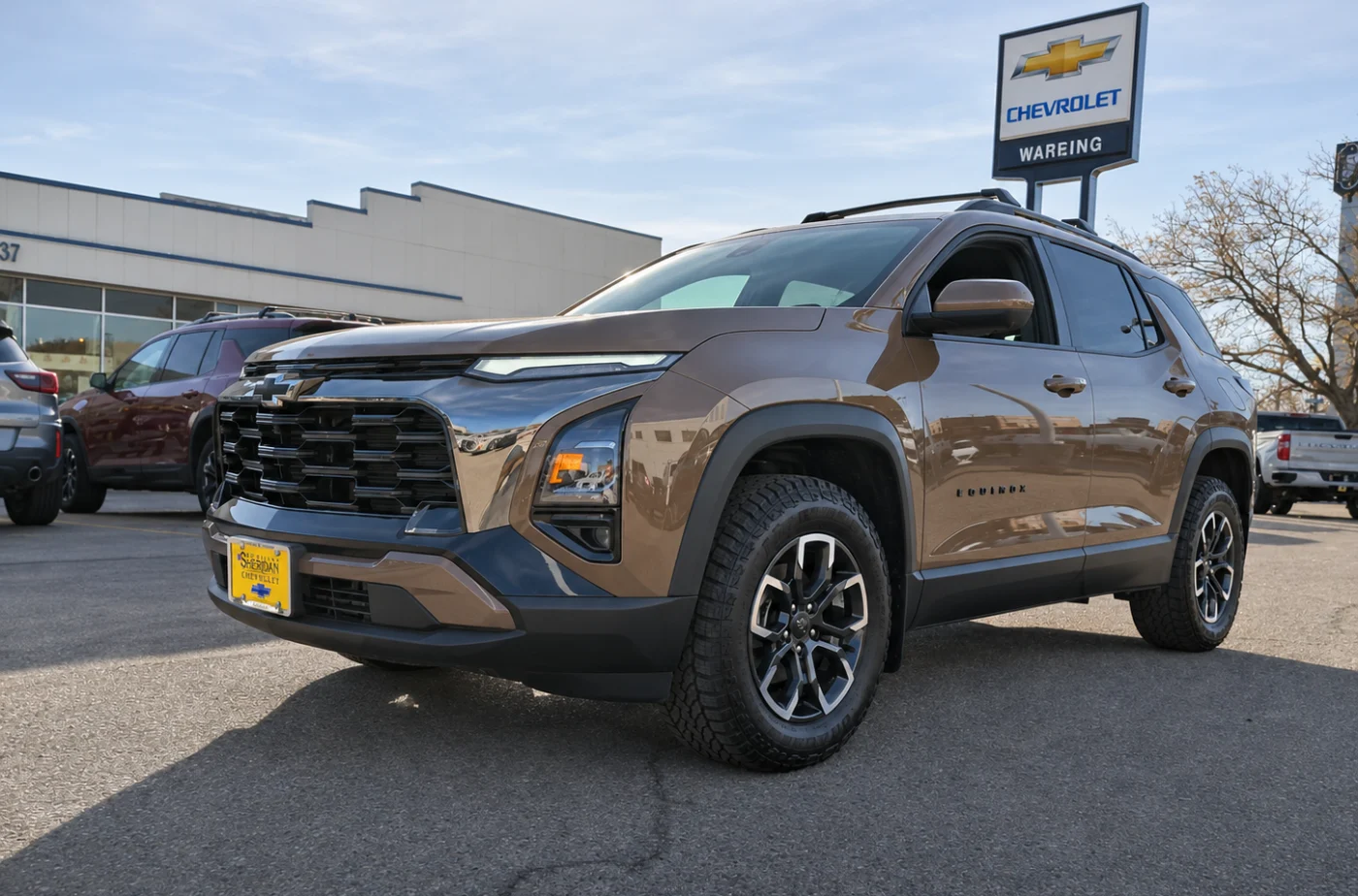
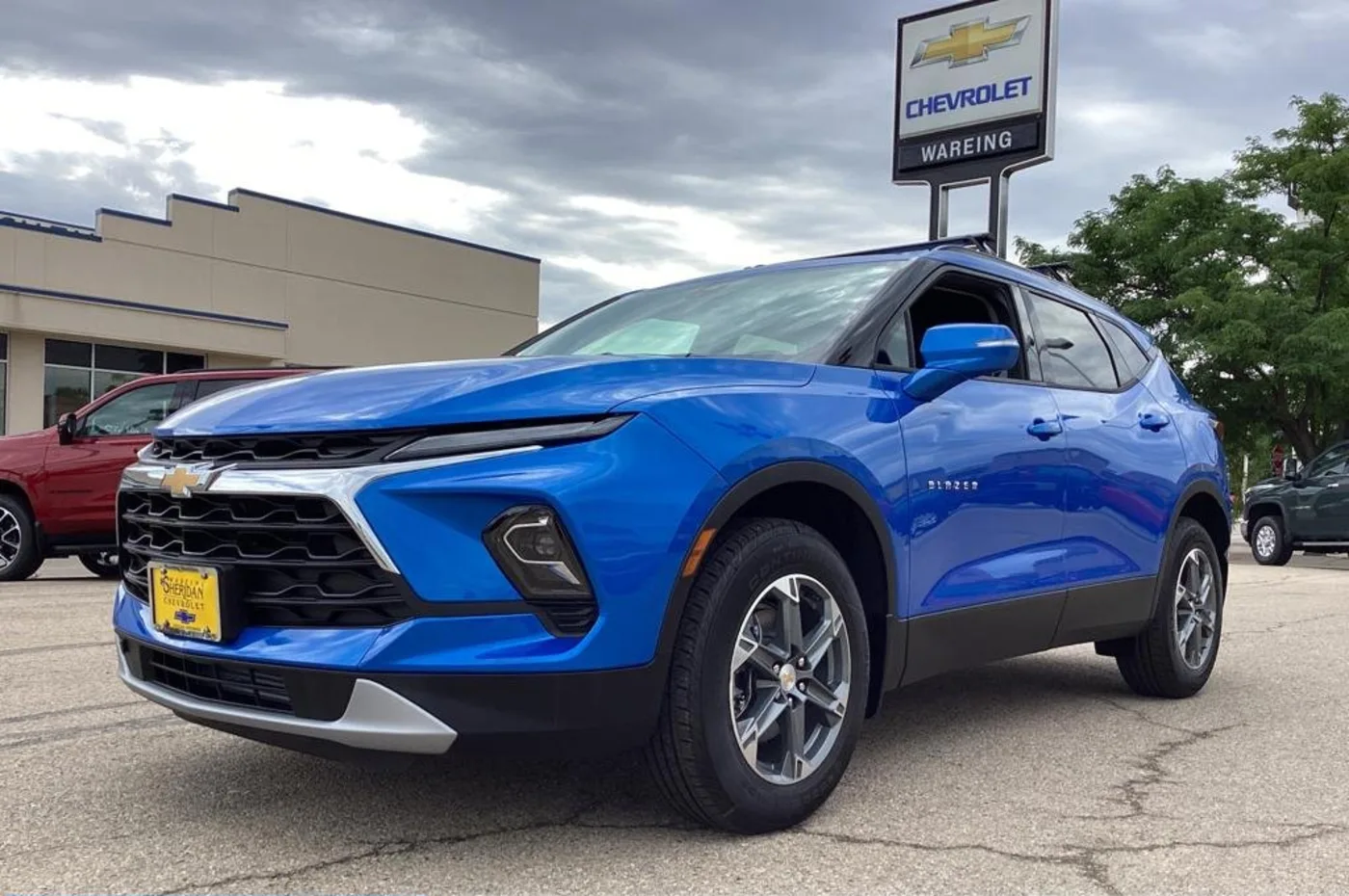
Browse Chevrolet Equinox inventory and Chevrolet Blazer inventory, then contact Wareing Sheridan Chevrolet to confirm availability and arrange a comparison.
Bring your must-have list, garage measurements and trailer details if you tow. Ask to review the actual window stickers and try the cargo space before deciding. The goal is to choose the SUV and equipment that fit your days, not simply the larger number on a comparison chart.
0 comment(s) so far on Chevy Equinox vs Blazer: Size, Power, Towing and Price